
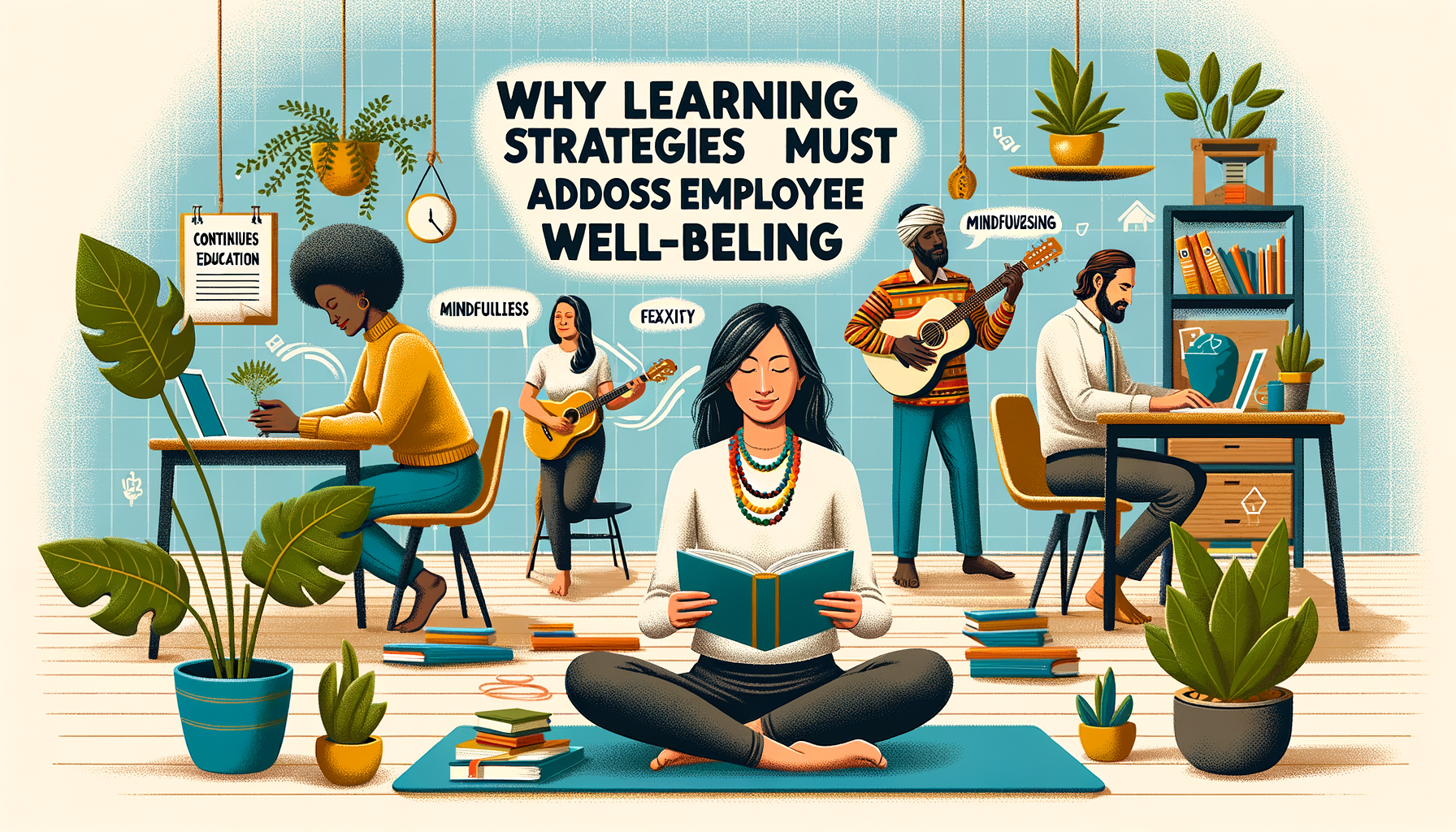
Rethinking Learning: A Holistic Approach to Employee Well-Being
The modern workplace is rapidly evolving, and with it, our approach to employee learning strategies must evolve as well. While many organizations focus on learning opportunities as a way to enhance productivity and drive performance, one crucial element often gets overlooked—employee well-being.
When organizations fail to integrate well-being into their learning strategies, they miss out on a key factor that directly influences engagement, retention, and overall workplace culture. But by taking a more holistic approach, businesses can create learning environments that support employees not just professionally, but emotionally, mentally, and physically as well.
The Connection Between Learning and Employee Well-Being
Learning isn’t just about upskilling—it’s about growth, confidence, and feeling valued. When employees are stressed, burned out, or mentally exhausted, they are far less likely to engage in learning initiatives. Employee well-being plays a critical role in ensuring that individuals can absorb new knowledge, develop skills, and stay motivated in their roles.
Organizations that integrate well-being into their learning strategies see tangible benefits, including:
- Higher Engagement: Employees who feel supported are more likely to actively participate in learning opportunities.
- Improved Retention: A culture that prioritizes well-being reduces burnout and fosters long-term commitment.
- Stronger Performance: When individuals are mentally and physically well, they are more productive and innovative.
How to Embed Employee Well-Being into Learning Strategies
Shifting the focus of learning strategies to include well-being requires intentional action. Here are some practical ways to incorporate employee well-being into your learning framework:
1. Encourage Work-Life Balance
Overloading employees with training sessions outside of working hours can lead to frustration rather than development. Offer flexible learning schedules and allow employees to engage in training at their own pace.
2. Provide Access to Mental Health Resources
Learning can be stressful, especially when tied to career progression. Providing access to mental health resources—such as counseling, mindfulness programs, or stress management workshops—ensures employees feel supported.
3. Integrate Breaks and Reflection Time
Encouraging employees to take breaks between training sessions helps with knowledge retention and prevents cognitive overload. Short breaks, mindfulness exercises, or even group discussions can enhance the learning experience.
4. Foster a Culture of Psychological Safety
A learning environment should be a space where employees feel safe to ask questions, make mistakes, and grow without fear of judgment. Encouraging open dialogue and feedback creates a more inclusive and supportive workplace.
5. Personalize Learning Paths
Not all employees have the same learning styles or career aspirations. Offering personalized learning journeys that align with their interests and well-being needs can make learning more meaningful and engaging.
The Long-Term Impact of Prioritizing Employee Well-Being
The shift towards well-being-focused learning is not just a short-term trend—it’s a long-term investment in both employees and the organization. Companies that prioritize employee well-being in their learning strategies will experience:
- Reduced Burnout: Employees who feel cared for are less likely to experience work-related stress.
- Higher Job Satisfaction: When learning is enjoyable and well-being is supported, job satisfaction naturally increases.
- A Thriving Workplace Culture: A workplace that values well-being fosters collaboration, innovation, and long-term success.
Final Thoughts
Organizations that view learning as more than just a tool for productivity gain a competitive advantage. By integrating employee well-being into learning strategies, companies can create an environment where individuals feel empowered, supported, and ready to grow.
Now is the time to rethink how we approach learning. How are you currently addressing employee well-being in your learning strategies?
Ready to create a well-being-focused learning culture?
Start implementing these strategies today and watch your workforce thrive!
Discover more from JZero Solutions
Subscribe to get the latest posts sent to your email.

No responses yet