
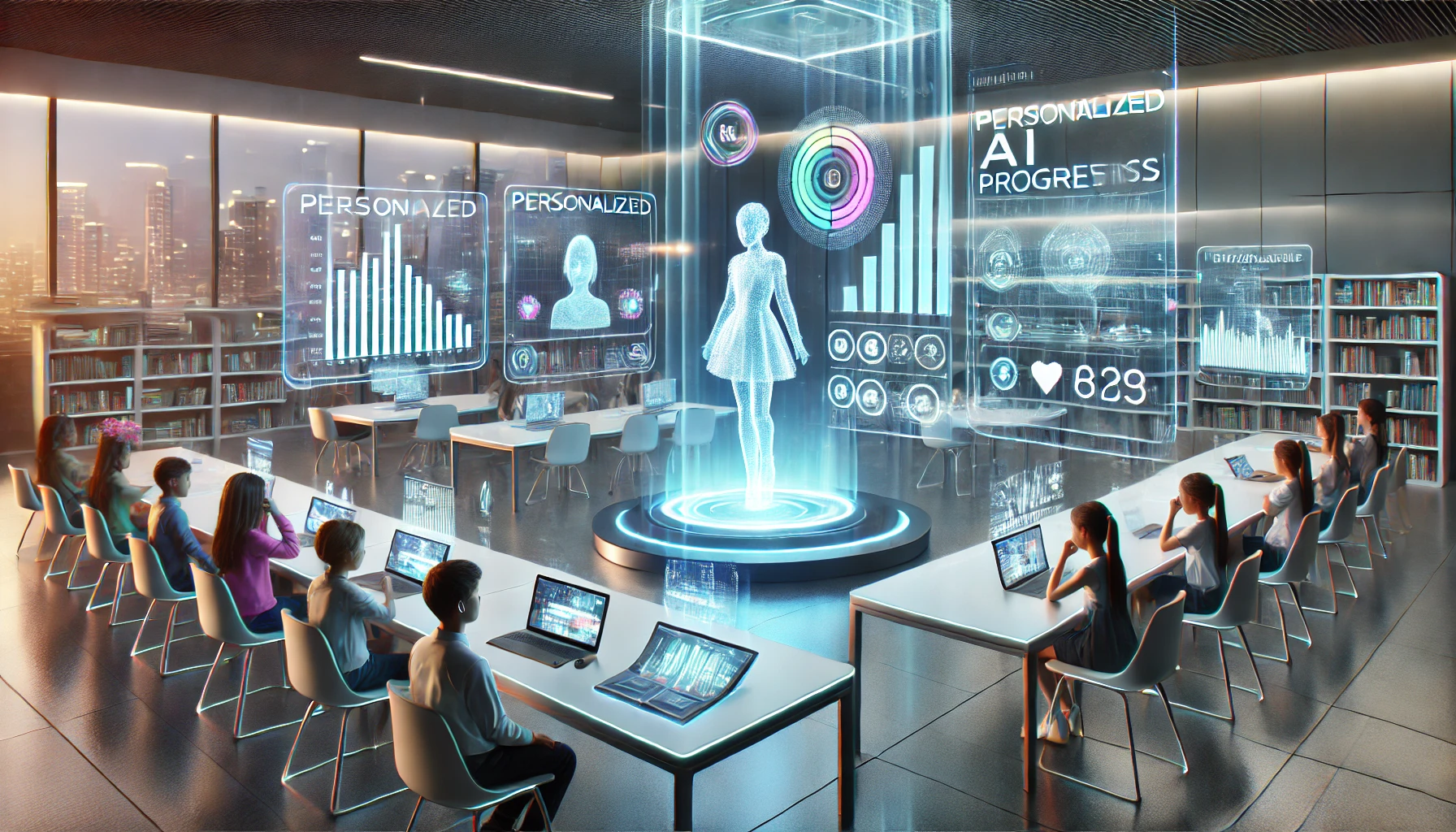
The learning management system (LMS) industry is undergoing a transformation driven by advancements in technology and evolving user expectations. As education and corporate training increasingly shift toward digital platforms, the integration of cutting-edge technologies like artificial intelligence (AI), virtual reality (VR), and other emerging tools is setting the stage for the next big leap in e-learning. This article explores the key future trends shaping LMS technology and how they are poised to revolutionize the way we teach, learn, and manage training programs.
1. The Role of Artificial Intelligence in Personalized Learning
AI is rapidly becoming a cornerstone of LMS technology, enabling unprecedented levels of personalization in learning experiences. Traditional LMS platforms often deliver the same content to all users, but AI-powered systems can analyze learner data—such as performance metrics, preferences, and behavior patterns—to create customized learning paths.
For example, AI can identify areas where a learner struggles and automatically suggest supplementary resources or assessments to bridge knowledge gaps. Adaptive learning algorithms can adjust the difficulty of content in real time, ensuring that learners remain challenged but not overwhelmed. This personalized approach not only boosts engagement but also enhances knowledge retention and learner satisfaction.
Moreover, AI-driven analytics provide valuable insights for instructors and administrators, enabling them to track progress, identify trends, and make data-informed decisions to improve training programs. In the future, AI is likely to play an even greater role in predicting learner outcomes and optimizing content delivery.
2. Virtual Reality (VR) and Immersive Learning Experiences
Virtual reality is no longer just a buzzword; it’s a game-changer in the e-learning space. VR allows learners to immerse themselves in simulated environments where they can practice skills, solve problems, and interact with virtual objects or characters. This hands-on approach is particularly effective for industries that require practical training, such as healthcare, manufacturing, and aviation.
For instance, medical professionals can use VR to practice surgical procedures in a risk-free environment, while factory workers can simulate operating complex machinery without the danger of real-world accidents. This kind of experiential learning not only improves skill acquisition but also boosts confidence and reduces errors when transitioning to real-life scenarios.
Incorporating VR into LMS platforms requires seamless integration, allowing organizations to easily assign, track, and evaluate VR-based training modules. As VR hardware becomes more affordable and accessible, we can expect to see its adoption skyrocket in both corporate and educational settings.
3. Gamification 2.0: Combining AI and VR for Next-Level Engagement
Gamification has been a popular trend in e-learning for years, but the next generation of gamified LMS features will take it to a whole new level. By combining AI and VR, LMS platforms can create truly interactive and engaging learning experiences.
Imagine an LMS that uses AI to tailor gamified challenges to a learner’s skill level, ensuring they stay motivated without feeling frustrated. Add VR to the mix, and learners can “step into” gamified environments, such as solving a mystery in a virtual crime scene or navigating a 3D business simulation. These immersive, game-like experiences make learning fun and memorable, increasing motivation and driving better outcomes.
4. AI-Driven Chatbots for On-Demand Support
AI-powered chatbots are becoming indispensable tools in the LMS landscape, offering real-time support to learners and administrators alike. These intelligent virtual assistants can answer frequently asked questions, provide guidance on navigating the LMS, or even suggest relevant courses based on a learner’s goals.
In the future, AI chatbots will become even more sophisticated, using natural language processing (NLP) to conduct more human-like conversations. They could also act as virtual tutors, helping learners understand complex concepts or providing instant feedback on assignments.
5. Predictive Analytics for Proactive Learning Management
Another transformative trend in LMS technology is the use of predictive analytics to anticipate learner needs and optimize training programs. By analyzing large datasets, predictive analytics can identify patterns and forecast outcomes, such as which learners are at risk of dropping out or which courses are likely to result in higher engagement.
For administrators, these insights are invaluable for designing effective learning strategies and interventions. For learners, it means a more tailored and efficient educational journey. Predictive analytics is poised to become a standard feature in LMS platforms, empowering organizations to make data-driven decisions that maximize ROI.
6. Seamless Integration with Emerging Technologies
The LMS of the future will not operate in isolation—it will integrate seamlessly with other emerging technologies to create a cohesive learning ecosystem. This includes pairing LMS platforms with wearable devices, augmented reality (AR) tools, and even IoT (Internet of Things) technologies. For example, wearable devices could track learner biometrics during training sessions to measure stress or focus levels, providing additional data for optimizing content delivery.
The Road Ahead
As LMS technology evolves, the lines between education, training, and entertainment will continue to blur. AI, VR, and other innovations are transforming LMS platforms into dynamic, learner-centric environments that cater to individual needs and preferences. Organizations that embrace these trends will not only stay ahead of the curve but also unlock new possibilities for growth, engagement, and success.
The future of LMS is not just about managing learning—it’s about shaping it. Are you ready to take the leap?
Discover more from JZero Solutions
Subscribe to get the latest posts sent to your email.

No responses yet