
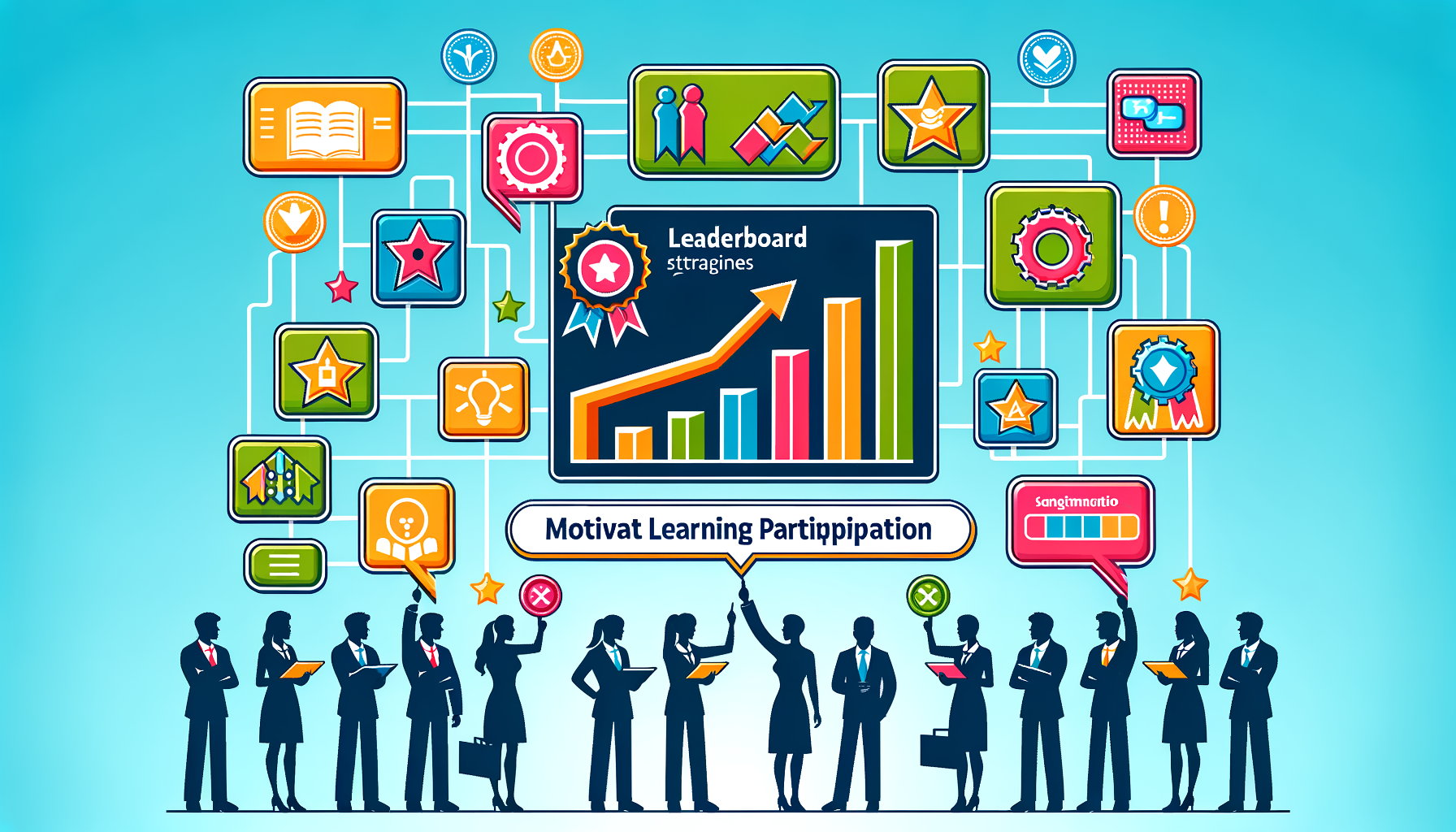
In today’s fast-paced corporate environment, maintaining high levels of employee engagement in learning programs remains a significant challenge for many organizations. Despite the availability of various training resources, participation can often wane, leading to underutilized learning initiatives. Enter leaderboards—a simple yet powerful tool that can revolutionize how we drive learning participation.
**How can leaderboards effectively enhance engagement in your learning programs?**
Leaderboards introduce a competitive element that can motivate learners to actively participate and complete training modules. By publicly displaying individual or team progress, leaderboards tap into the natural human desire for recognition and achievement. Here’s how you can implement them to maximize engagement:
### 1. **Define Clear Objectives and Metrics**
Before introducing leaderboards, it’s essential to establish what success looks like for your learning programs. Are you aiming to increase course completions, improve test scores, or encourage participation in discussions? Clearly defined metrics will help you create meaningful rankings. For example, if the goal is to boost course completions, your leaderboard should track and display the number of completed modules per learner.
### 2. **Choose the Right Leaderboard Type**
There are various types of leaderboards you can implement, each serving different purposes:
– **Individual Leaderboards:** Showcase top performers based on specific metrics. This type fosters personal accountability and encourages self-improvement.
– **Team Leaderboards:** Highlight the performance of different teams or departments. This promotes collaboration and healthy competition among groups.
– **Dynamic Leaderboards:** Update in real-time to reflect ongoing achievements. These keep the excitement alive and constantly remind learners of their progress relative to others.
Selecting the appropriate type depends on your organizational culture and the specific goals of your training program.
### 3. **Integrate Leaderboards with Learning Platforms**
To ensure seamless tracking and display of progress, integrate leaderboards with your existing Learning Management System (LMS). Modern LMS platforms often come equipped with gamification features, including customizable leaderboards. Ensure that the integration allows for accurate data synchronization, so the leaderboard reflects true performance metrics.
### 4. **Promote Transparency and Fairness**
For leaderboards to be effective, they must be perceived as fair and transparent. Clearly communicate the criteria for ranking and ensure that all participants have equal opportunities to excel. Avoid biases by using objective metrics and regularly auditing the leaderboard for accuracy. Additionally, consider resetting the leaderboard periodically to give everyone a fresh start and maintain ongoing engagement.
### 5. **Encourage Friendly Competition and Collaboration**
While competition can drive engagement, it’s crucial to strike a balance between individual and team-based incentives. Encourage learners to collaborate and share best practices while also striving to climb the ranks. Recognize and reward not just the top performers but also those who show significant improvement or demonstrate consistent effort. This inclusive approach fosters a supportive learning environment where everyone feels valued.
### 6. **Provide Regular Feedback and Recognition**
Leaderboards should not be the sole source of motivation. Complement them with regular feedback and recognition to reinforce positive behaviors. Highlight individual achievements through company newsletters, meetings, or internal communication channels. Celebrating milestones and acknowledging efforts can significantly boost morale and encourage continued participation.
### 7. **Evolve and Adapt**
Monitor the effectiveness of your leaderboards and be willing to make adjustments based on feedback and performance data. If you notice a decline in engagement or if the competitive aspect becomes counterproductive, consider tweaking the leaderboard criteria or introducing new incentives. Continuous improvement ensures that your leaderboards remain a relevant and effective tool for driving participation.
**Embracing leaderboards as part of your learning strategy can significantly enhance engagement and participation. Have you implemented leaderboards in your organization’s training programs? What results have you observed? Share your experiences or questions below—let’s drive the future of learning together!**
#howto #learning #AI #jzero #EmployeeEngagement #L&D #ProfessionalDevelopment #HR #Gamification #FutureOfWork
Discover more from JZero Solutions
Subscribe to get the latest posts sent to your email.

No responses yet