
Ethical Issues in Using AI Detection for Evaluating Student Work: Surveillance, Trust, and Student Rights
As artificial intelligence continues to reshape industries across the globe, education is no exception. One of the more recent and controversial developments is the use of AI-based tools to detect cheating or plagiarism in student work. While the application of AI detection has the potential to uphold academic integrity, it also raises profound ethical concerns, particularly around surveillance, trust, and the rights of students. This article explores these ethical questions in depth.
The Appeal of AI in Academic Integrity
AI detection tools, such as plagiarism checkers and algorithms that can determine whether an essay is likely written by a human or an AI, have gained significant traction among educational institutions. Schools and universities are increasingly relying on AI to monitor for cheating and ensure that submitted work is original.
The appeal is clear: AI tools can rapidly analyze assignments, compare them with existing work, and flag anything that appears suspicious. This promises a scalable way to combat the problem of academic dishonesty. However, the power of these tools raises ethical questions that deserve serious consideration.
Surveillance in Education: A Slippery Slope?
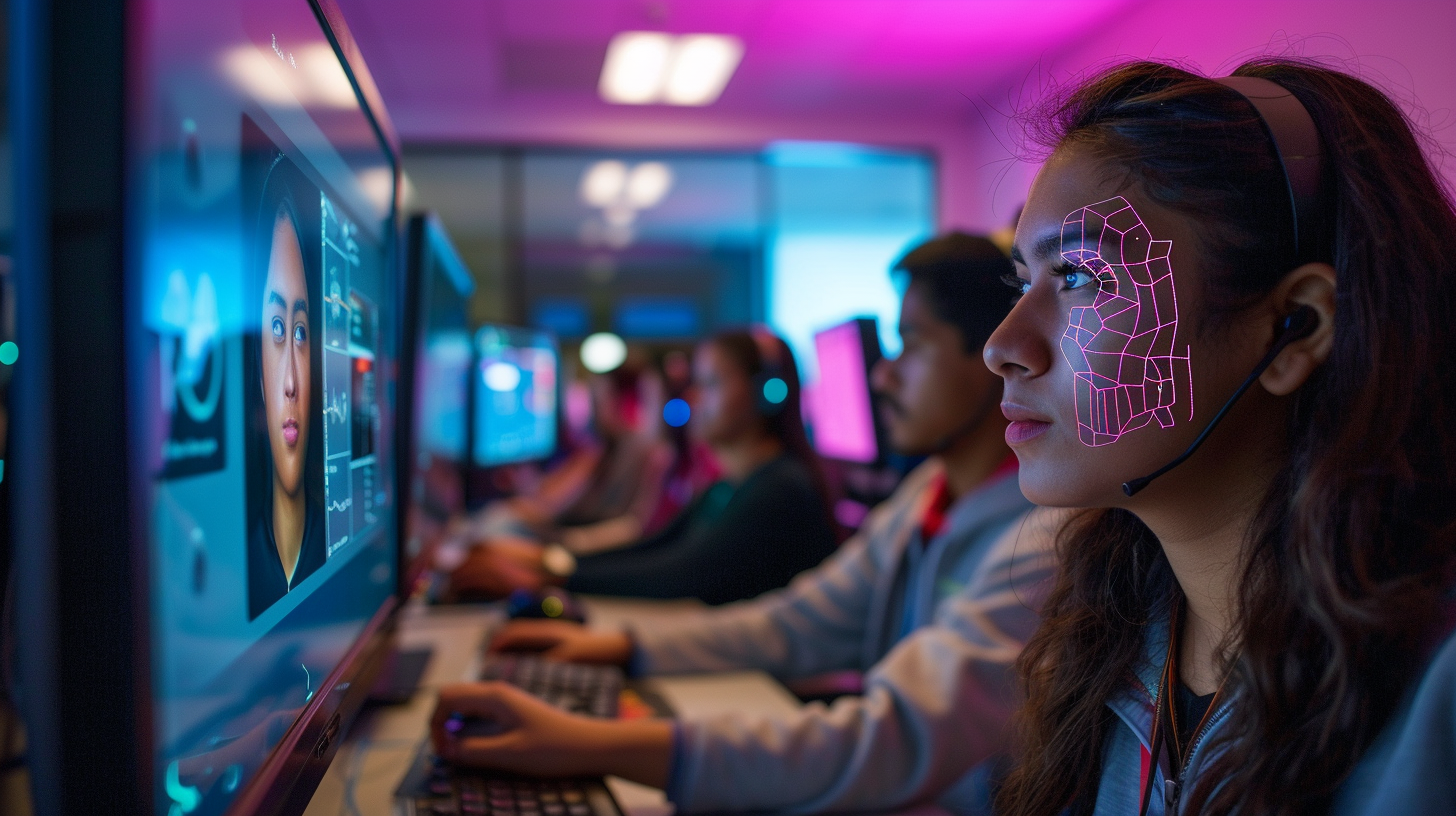
One of the most pressing concerns about AI detection tools is their potential to foster an environment of constant surveillance. Students may feel that every word they write is scrutinized, not by their teacher but by an unfeeling, all-seeing algorithm. This dynamic shifts the relationship between students and educators—away from learning as a shared journey towards learning as an activity under constant suspicion.
Such monitoring creates a problematic power imbalance. Unlike a human teacher, who can contextualize and understand a student’s work, AI detection tools operate purely based on pattern recognition. This can lead to the surveillance of students on a mass scale, where mistakes can be misinterpreted as malfeasance without any human empathy.
Moreover, the use of AI surveillance could push students to adopt “safe” and formulaic ways of writing to avoid detection, stifling creativity and undermining the purpose of education. Rather than focusing on learning and developing original ideas, students may end up more concerned with evading the eye of the algorithm.
Trust: Are We Undermining the Teacher-Student Relationship?
A key part of education is the relationship built on trust between students and their teachers. The use of AI to evaluate student work suggests an inherent suspicion that students might be cheating or submitting work that isn’t their own. This undermines a fundamental aspect of education: trust.
If students feel that they are being judged by an AI rather than a human being, it can damage their motivation and reduce their trust in the educational system. It sends a message that the system views them as inherently untrustworthy, rather than as individuals capable of honesty and integrity. In turn, this diminishes the value of their work, as their original thoughts are subjected to algorithmic scrutiny instead of genuine human engagement.
Teachers are also caught in this new dynamic. Delegating a crucial part of their role—evaluating student work—to AI can create an emotional and intellectual disconnect from their students. Teachers lose the ability to personally gauge the nuances of each student’s learning process, and students lose the chance for personalized feedback that encourages their unique growth.
Student Rights: Privacy and Algorithmic Fairness
Another significant ethical issue centers on the rights of students, particularly regarding privacy and fairness. When an AI tool is used to evaluate a student’s work, data is inevitably collected. The question then arises: who has access to this data? How is it being used, stored, and protected?
Students, many of whom are minors, have a right to privacy. AI detection tools often collect information that could be sensitive, and students and their parents may not be fully aware of how this data is managed. Without transparent data policies, there’s a risk of misuse or unauthorized access, infringing on students’ privacy rights.
Furthermore, questions of fairness loom large. AI systems are trained on massive datasets, and these datasets can carry inherent biases. For instance, students from diverse cultural backgrounds may be flagged unfairly because their writing style does not fit the “norms” learned by the AI. Such biases can lead to the disproportionate targeting of specific groups, reinforcing inequities that education aims to overcome. Without careful calibration and transparency in the algorithms’ functioning, AI detection risks penalizing students for deviations that are more about cultural difference than academic dishonesty.
Striking the Balance: AI as a Tool, Not a Judge
The key to ethically incorporating AI into education lies in striking the right balance. AI detection tools can be helpful when used as a supplementary resource, not as the ultimate judge of a student’s integrity. Teachers should use these tools to flag potential issues, but the final evaluation should remain a human process, one that takes context, nuance, and individual circumstances into account.
Moreover, transparency is critical. Students should be informed about how AI is being used, what data is being collected, and how that data will be protected. Schools should also foster dialogue with students about the limitations of AI, educating them about how these tools function and what their purpose is, to mitigate the feeling of constant surveillance.
Conclusion
The use of AI detection in evaluating student work brings both opportunities and risks. While it can serve as a powerful tool in maintaining academic standards, its unchecked application raises ethical concerns about surveillance, the erosion of trust, and potential infringements on student rights. A balanced, transparent approach—where AI supports rather than supplants human judgment—is crucial in ensuring that the educational environment remains a place for trust, creativity, and genuine learning. By keeping humanity at the center of education, we can navigate the ethical challenges posed by AI while still benefiting from its advantages.
Discover more from JZero Solutions
Subscribe to get the latest posts sent to your email.

No responses yet