
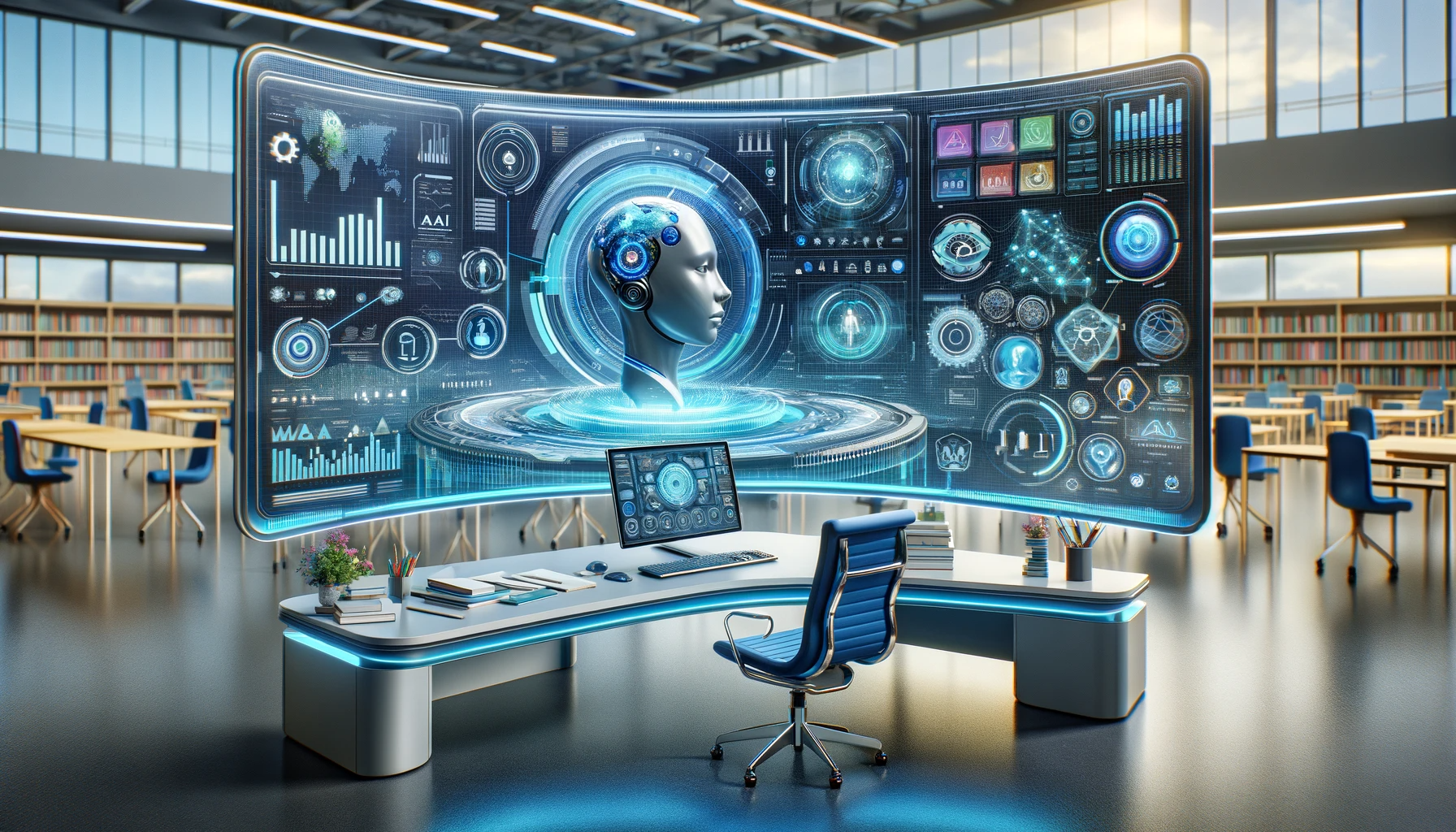
The integration of Artificial Intelligence (AI) in e-learning is not just a trend; it’s a revolution that is transforming the Learning Management System (LMS) landscape. AI is redefining how educational content is delivered, personalized, and analyzed, offering a more adaptive, efficient, and engaging learning experience. Let’s delve into how AI is reshaping e-learning for both learners and educators.
Adaptive Learning Systems
- Personalized Learning Paths: AI algorithms analyze learners’ performance, preferences, and pace, adjusting the learning content accordingly. This means that no two learners have the same experience; each path is tailored to the individual’s needs, ensuring maximum engagement and effectiveness.
- Dynamic Content Adjustment: AI can modify the difficulty level of tasks and quizzes based on the learner’s proficiency, ensuring they are constantly challenged but not overwhelmed.
Personalized Content Delivery
- Customized Recommendations: Similar to how streaming services recommend movies, AI in LMS can suggest courses, materials, or activities based on past behavior and learning outcomes. This keeps learners engaged with relevant and interesting content.
- Interactive Learning: AI can facilitate more interactive learning experiences, such as chatbots that provide instant responses to queries or simulate conversations in language learning.
AI-Driven Analytics in LMS Platforms
- Predictive Analytics: AI can predict potential learning outcomes based on data trends. This helps in identifying learners who might need extra assistance or those who could be pushed with more challenging material.
- Enhanced Feedback and Assessment: AI can provide real-time, personalized feedback, making assessments more frequent and meaningful. It can also help in grading, easing the workload on educators.
Implications for Learners
- Enhanced Engagement and Retention: AI-driven LMSs make learning more engaging, interactive, and tailored to individual needs, leading to better retention of information and overall satisfaction.
- Accessible and Inclusive Learning: AI can help in breaking down barriers for learners with disabilities through adaptive interfaces and personalized learning experiences that cater to all learning styles and needs.
Implications for Educators
- Efficient Course Management: AI can automate many aspects of course management, from enrollment and content delivery to grading and feedback, allowing educators to focus more on teaching and less on administrative tasks.
- Data-Driven Insights: Educators can leverage AI-driven analytics to gain deeper insights into learning patterns and effectiveness, helping them refine their teaching strategies and course content.
Challenges and Considerations
- Data Privacy and Security: With AI relying heavily on data, ensuring the privacy and security of learner information is paramount.
- Ethical Considerations: There are concerns about bias in AI algorithms and the ethical use of AI in education, which need careful consideration and ongoing monitoring.
- Technology Access and Digital Literacy: Ensuring equitable access to AI-driven e-learning resources and enhancing digital literacy among all users is crucial for the successful implementation of AI in LMS.
In conclusion, the rise of AI in e-learning is a game-changer, offering personalized, engaging, and efficient learning experiences. For organizations like JZero, integrating AI into their LMS platforms like JLMS Enterprise or Cloud can significantly enhance the value they provide to their clients. As we navigate this AI-driven transformation, it’s essential to balance technological innovation with ethical, secure, and inclusive practices.
To stay updated on how AI is transforming the e-learning space, follow JZero’s blog, where we explore the latest trends and developments in learning technologies.
Discover more from JZero Solutions
Subscribe to get the latest posts sent to your email.

No responses yet